
Description
Everybody needs a special approach throughout their education. Nevertheless, we have more specific conditions for which we use specialized approaches, materials, stimulants, or techniques that we learn effectively and effortlessly. In that case, Visual Flashcards for Autism proudly presents its product for people with autism.
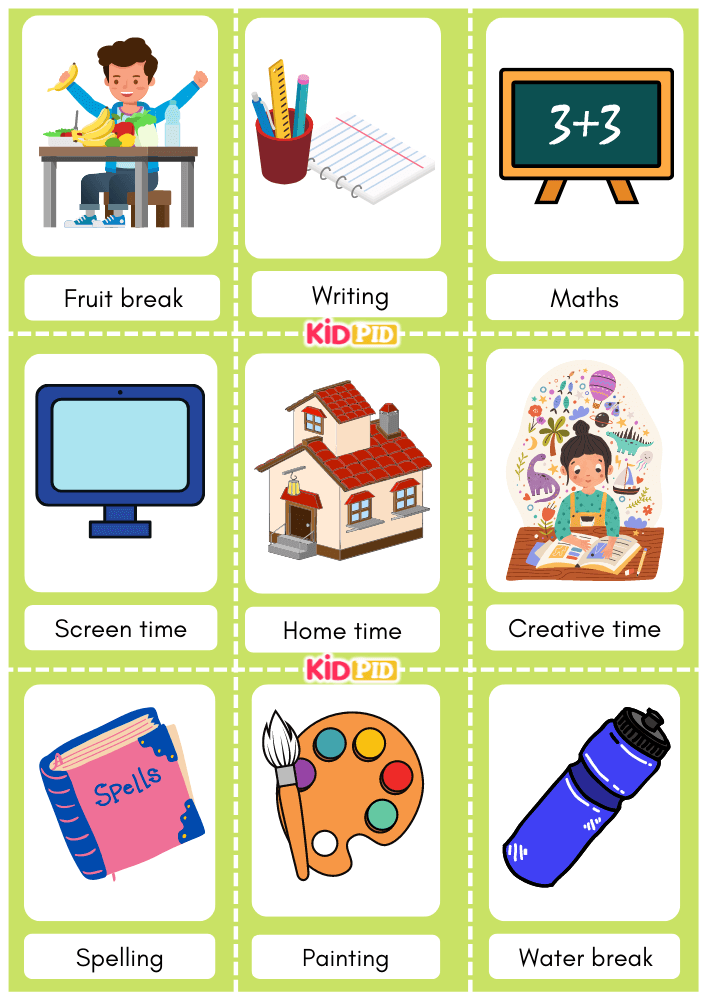
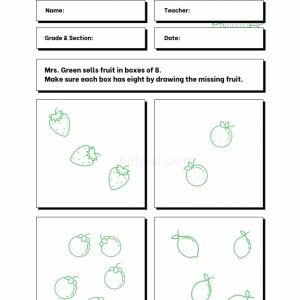
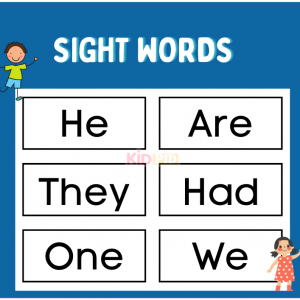
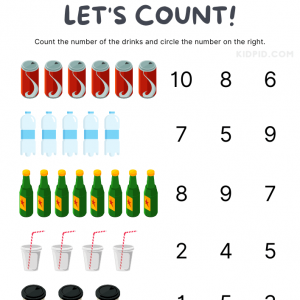
It consists of only 5 pages with easy tracking activities and an embellished, gorgeous design. It’s designed for the given target groups: grades 1 to 4 and special education. PDF and printable forms give the opportunity to use the material everywhere, from class for group games to individual practice at home. Children can practice vocabulary, pronunciation, spelling, and writing. Designers focused on enriching the target unit with extra images and deep-colored figures to trigger learning with children who need special education. It is feasible to produce plenty of games, as in making funny sentences with the given cards… I’m writing a math question during my fruit break.
Customers who used Visual Flashcards for Autism mention its well-organized structure and comprehensive set of visual flashcards. Clear-cut expressions, a carefully chosen vocabulary bank, and illustrations inspired by experts’ recommendations come across as outstanding features of the material. Kids enjoy it, and parents can easily guide their children with an entirely safe concept and design. Shortly, people who need special education have never practiced English in a comfortable way, like with visual flashcards for autism before. It suits creating copious amounts of activities, either individually or as peer work. All details are prepared for your cherished possession.
The moment we introduced a simple flashcard with a picture of his favorite crackers, everything changed. That tiny card wasn’t just a picture; it was a key. It gave him a voice and replaced his tears with a confident, tangible way to communicate.
That’s the power of visual supports. And that’s exactly why we created these visual flashcards for autism.
Why Visual Flashcards Are a Game-Changer for Autistic Learners
Many autistic children are visual thinkers. They process pictures better than spoken words, which can often feel fleeting and hard to grasp. Visual flashcards make abstract concepts concrete.
In my experience, the most effective strategy is to start with motivation. Even though some therapists prefer drilling core words first, we’re big fans of beginning with what your child loves. Are they bubbles? A specific toy car? Apple juice? Use that. It transforms the activity from work into play.
Beyond Drilling: 5 Fun Ways to Use Your Flashcards Today
Don’t just show the card and say the word. Get creative! Here are some of our favorite activities:
- The Choice Maker: Hold out two cards—for example, “apple” and “crackers.” Ask, “What do you want?” and encourage your child to point to or pick up the card for their desired snack. This empowers them immensely.
- Scavenger Hunt: Scatter 3-4 cards around the room and ask your child to find the object that matches. “Can you find the ball?” This turns learning into a movement game.
- First-Then Chart: This is a powerful tool for managing expectations. Place a card for a non-preferred activity (e.g., “brush teeth”) under a “First” label and a preferred activity (e.g., “book”) under a “Then” label. It visually explains the sequence and reduces resistance.
- Sorting Game: Work on categories. Grab a few cards and have your child sort them into piles: “Things we eat” vs. “Things we play with.”
- Story Starters: Pick 2-3 cards at random and try to make a silly sentence or short story together. “The cow… jumped… on the bed!” It’s a fantastic way to encourage language expansion in a low-pressure way.
Designed by our Content Team, this article helps readers follow ideas easily.
Pavini Lahoti –
Comprehensive set of visual flashcards covering a wide range of essential concepts
Rhona Acosta –
The cards are well-organized and easy to handle, making them practical for classroom activities and one-on-one sessions.
Amrapali Niungare –
Using these flashcards during playdates has helped my child engage more with peers. They provide a great way to practice social interactions.”