
Description
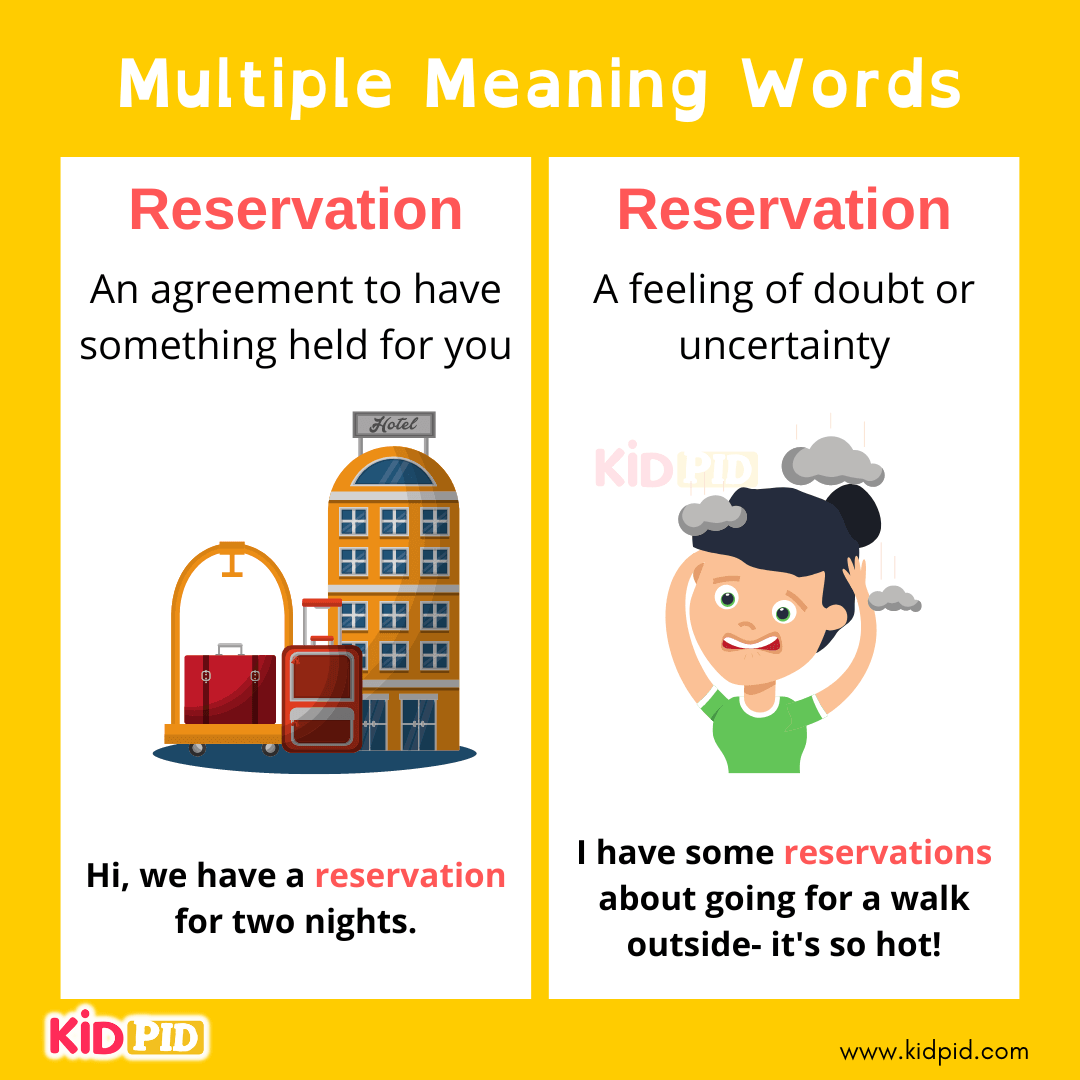
Homonyms are words that are pronounced or written in the same form. However, they mean different things. English is very abundant in homonyms. In 14 pages of Common Homonyms, children practice everyday homonyms with eye-catching, deep-colored, and friendly-designed illustrations. Plain and short instructions will keep your children focused during the activity and easily motivate them. till the end of the road.
They expand their horizon and improve their listening skills, lexical resources, and so forth. Students may make sentences with homonyms, especially their own sentences. They may play charades to show one of the homonyms; friends make a sentence correctly by using the stated meaning.
Brainstorming is another fruitful exercise for students when they’re lost in thought. They’ll jump through the words like what homonyms do to us. It best suits at least 3rd-grade students since it consists of uncommon or upper-level vocabulary. After practicing the words, children may cut out the shapes and make a poster by writing their own sentences.
Playing Taboo is another idea to embellish their studies. They race through remembering the homonyms when they hear the word. For example, the referee of the game will say a word on the card; one of the competitors will try to remember one meaning, and the other one will try to remember the second meaning. Whoever fails to find the meaning will lose a point. Stay tuned to learn English with the KIDPID series.
This article is designed by our Content Team to ensure learning clarity.
Sagar Gupta –
Best Book I Ever Found
Rhona Acosta –
Amazing flashcards for learning homonyms.
Amrapali Niungare –
The clear explanations and engaging activities helped solidify their grasp of homophones in a fun and practical way. Highly recommended for building essential language skills.