Description
Why Are Curved Lines Tracing Worksheets Important for Preschoolers?
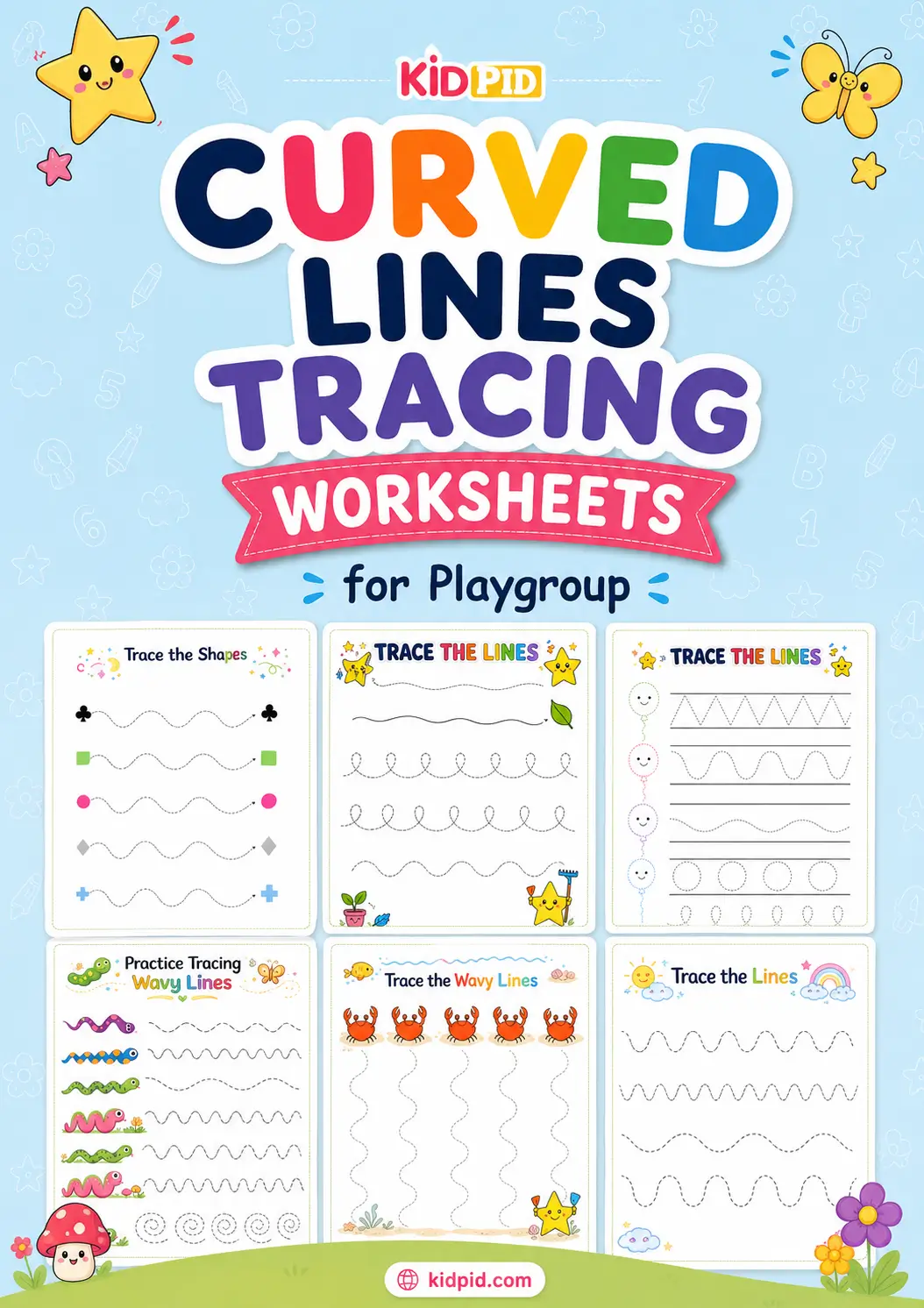
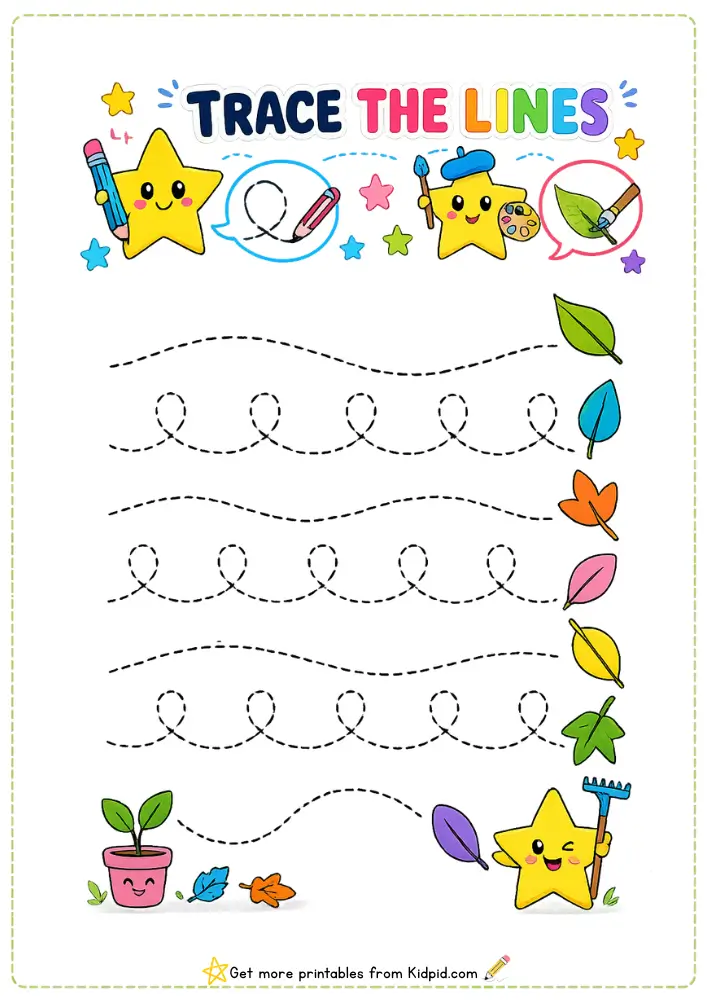
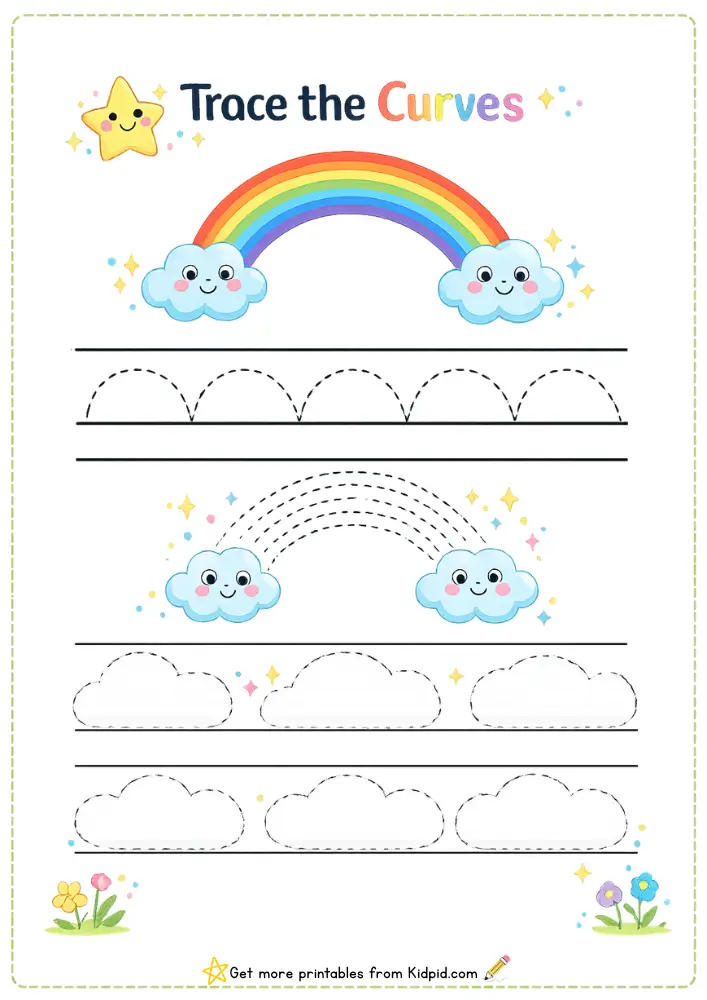
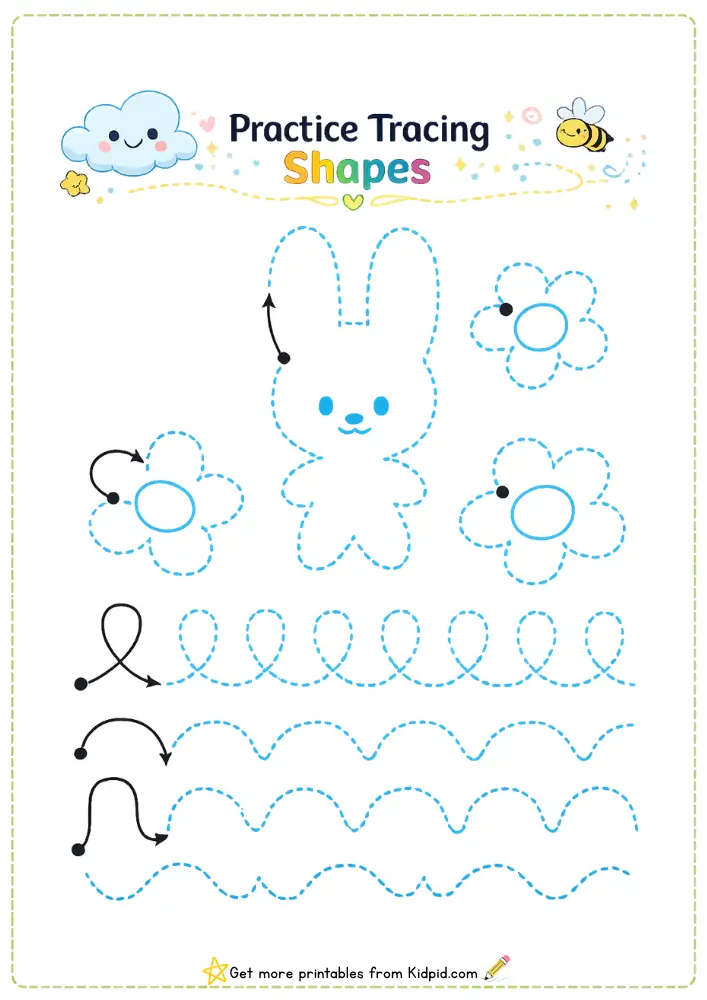
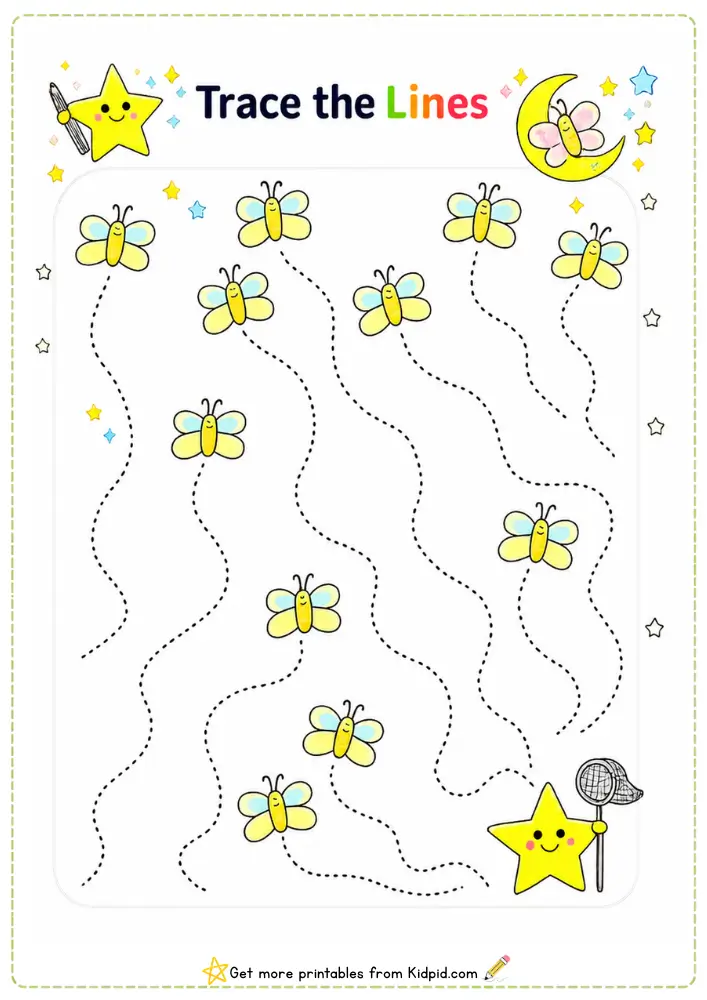
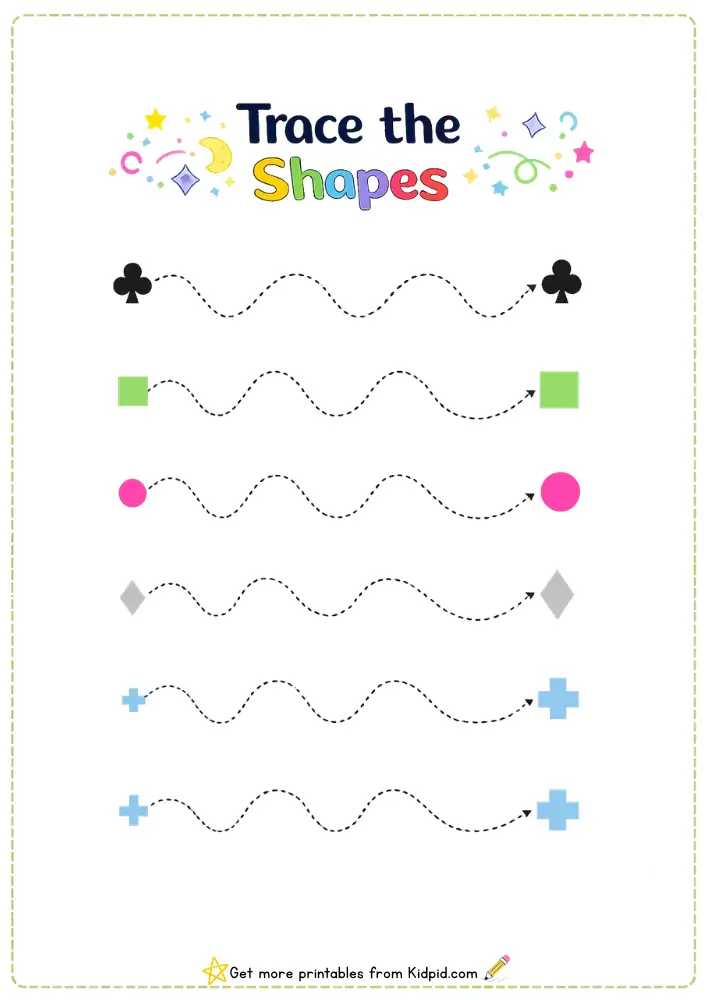
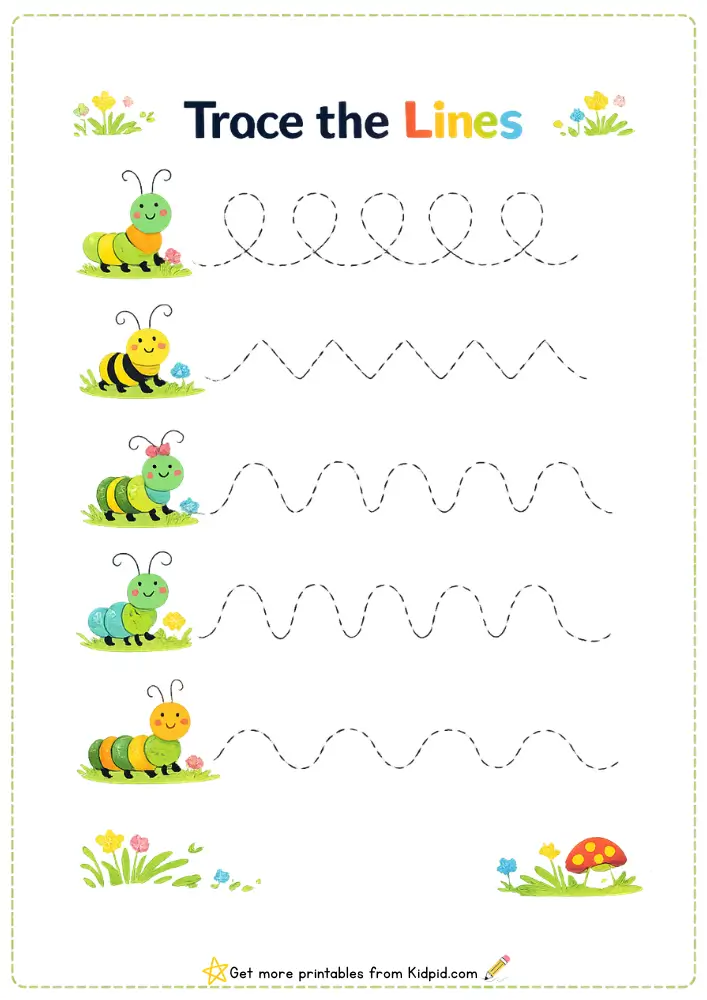
Curved lines tracing worksheets help children develop the foundational skills needed for successful handwriting. Before learning to write letters and numbers, children must first practice basic strokes and patterns. Curved lines improve pencil control, hand movement, and finger strength while teaching children how to guide a writing tool smoothly across a page. These early tracing activities build confidence and prepare young learners for more advanced writing tasks in preschool and kindergarten.
Educational Benefits of Curved Lines Tracing Worksheets
Curved line tracing activities offer many developmental benefits beyond handwriting practice. Children strengthen their fine motor skills, improve hand-eye coordination, and enhance concentration while completing tracing exercises. These worksheets also support visual perception and spatial awareness, helping children understand direction, shape formation, and movement patterns. Regular tracing practice lays a strong foundation for academic success and independent writing.
Tips for Parents and Teachers
To make tracing activities more effective, encourage children to start at the indicated point and follow the line carefully. Provide a comfortable writing grip and allow them to use colorful pencils, crayons, or markers to keep learning enjoyable. Short daily practice sessions of 10–15 minutes can significantly improve pencil control and writing readiness. Positive encouragement and praise help build confidence and motivation.
Skills Children Develop Through Curved Lines Tracing
- Fine motor development
- Pencil grip and control
- Hand-eye coordination
- Pre-writing skills
- Visual tracking abilities
- Focus and concentration
- Spatial awareness
- Handwriting readiness
Why Pre-Writing Practice Matters?
Pre-writing activities are essential because they prepare children for forming letters and numbers correctly. Many alphabet letters contain curved strokes, making curved line practice an important step in handwriting development. Children who regularly complete tracing activities often find it easier to transition to letter formation, sentence writing, and other classroom tasks that require precise hand movements.
FAQs
Q1. What age group are these worksheets suitable for?
Answer: Curved lines tracing worksheets are ideal for children aged 3–6 years, including preschool, pre-kindergarten, and kindergarten learners.
Q2. How do curved lines help with handwriting?
Answer: Curved lines teach controlled pencil movements that are needed to form many uppercase and lowercase letters accurately.
Q3. Can these worksheets be used at home and in classrooms?
Answer: Yes, they are perfect for homeschooling, classroom learning, after-school practice, and independent learning activities.
Q4. How often should children practice tracing worksheets?
Answer: Daily practice for a few minutes helps children gradually improve their fine motor skills and handwriting readiness.
Conclusion
Curved Lines Tracing Worksheets are a valuable learning resource for preschool and kindergarten children. They help build essential pre-writing skills, improve fine motor development, strengthen hand-eye coordination, and increase confidence in writing. With regular practice, children gain the skills needed to progress smoothly from tracing simple patterns to writing letters, words, and sentences independently.
Reviews
There are no reviews yet.