Description
Your child comes home quietly after school. They’ve been practicing English conversations, yet a classmate’s fluent, effortless way of saying “gonna” or “wanna” leaves them puzzled, being almost shy to speak up.
As parents and teachers, we’ve all seen this: when grammar is learned by the book but real conversation feels out of reach.
That’s where confidence meets communication.
“Informal Contractions in English” by Kidpid
Created by early‑language specialists and linguists, this 10‑page illustrated PDF book helps children in Grades 3–6 understand how everyday English actually sounds.
It bridges the gap between textbook learning and natural conversation so your child doesn’t just learn English, they understand the depths of it.
What You’ll Find Inside
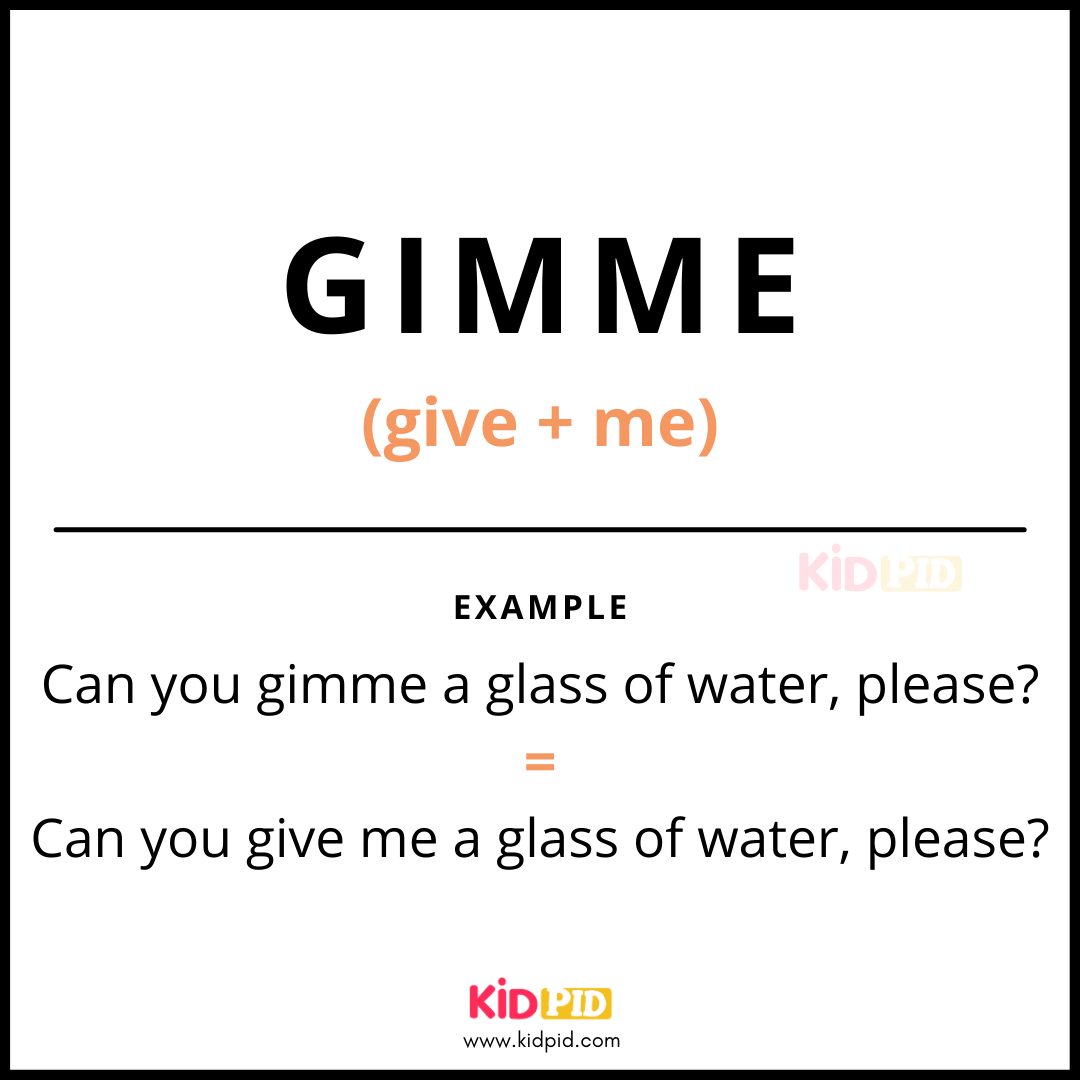
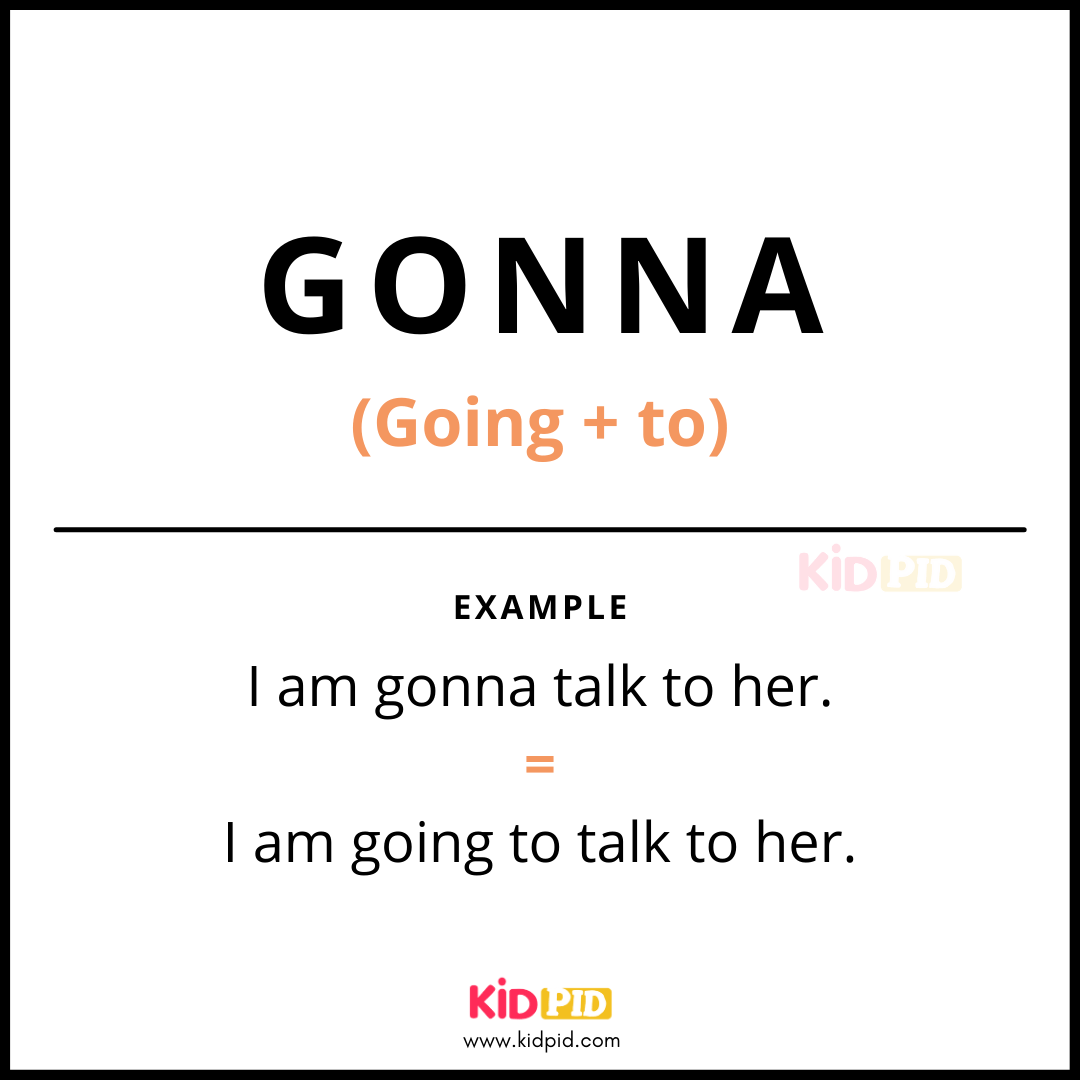
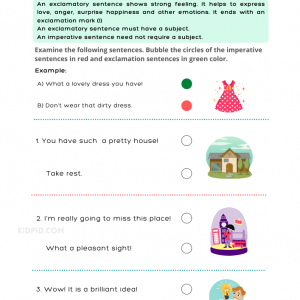
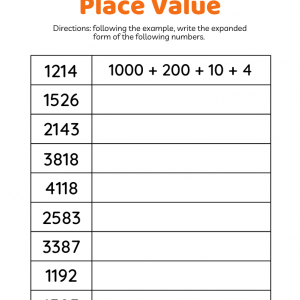
- 10 beautifully designed pages explaining 25+ common informal contractions — like gonna (going to), wanna (want to), and gotta (got to).
- Bright visuals and flashcard‑style prompts for faster memory recall and pronunciation practice.
- Grade‑based layout (3rd–6th) to grow fluency step by step and build self‑expression.
- Scientifically backed learning encourages auditory‑visual association, improving phonological awareness, working memory, and speech rhythm (Piaget’s cognitive‑sensorimotor learning principle).
Why You Would Love It
Children often freeze mid‑ sentences because written grammar doesn’t sound like spoken English. This resource gently removes that fear.
Each page becomes a playful exercise in real communication, one that boosts social confidence, empathy, and listening comprehension.
As Dr. Alison Gopnik notes, “Children learn language through shared attention and emotion.” Every word you practice together becomes a seed of confidence.
Download your free copy of Informal Contractions in English now and help them speak naturally, confidently, and joyfully every day.
This article is crafted by our Content Team to promote clarity in learning.
Amrapali Niungare –
The language used is clear and concise, making it easy for my child to understand the differences between formal and informal contractions.