


Description
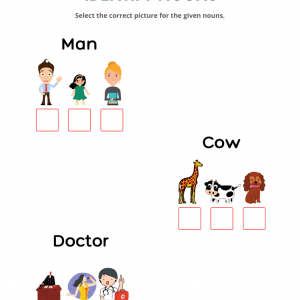
Find the Object That Does Not Belong worksheets help children develop important early learning skills through fun visual activities. In these worksheets, kids carefully observe a group of pictures and identify the item that is different from the others. This simple activity strengthens visual discrimination, logical reasoning, categorization, and critical thinking skills. Children learn to compare objects based on shape, color, size, function, or category, helping them build a strong foundation for future learning.
These worksheets are especially beneficial for preschool, kindergarten, and early elementary students because they encourage observation, concentration, and problem-solving in an engaging way. Regular practice can also improve attention to detail, which supports reading, writing, and mathematics readiness. Visual discrimination and sorting activities are widely recognized as important components of early childhood development.
Educational Benefits of Odd One Out Worksheets
- Improves visual discrimination and observation skills.
- Develops logical thinking and reasoning abilities.
- Strengthens categorization and classification skills.
- Enhances concentration and attention to detail.
- Supports early math and pre-reading readiness.
- Builds confidence through independent problem-solving.
- Encourages vocabulary development through discussion.
- Makes learning interactive and enjoyable.
How Parents and Teachers Can Use These Worksheets
Parents and teachers can use these worksheets as part of daily learning activities, morning work, homework practice, learning centers, or homeschool lessons. Encourage children to explain why an object does not belong in a group. Asking questions such as “What makes this item different?” helps strengthen reasoning and communication skills. You can also turn the activity into a discussion game where children identify multiple ways an object could be different, promoting creative thinking and deeper understanding.
Tips for Success
- Start with simple picture groups for younger learners.
- Allow children to explain their answers in their own words.
- Use positive encouragement and praise effort.
- Gradually increase difficulty as observation skills improve.
- Combine worksheets with real-life sorting and matching activities.
FAQs
Q1. What age group are these worksheets suitable for?
Answer: These worksheets are ideal for preschool, kindergarten, and Grade 1 children, generally between 4 and 7 years of age.
Q2. What skills do “Find the Object That Does Not Belong” worksheets develop?
Answer: They improve visual discrimination, logical reasoning, categorization, observation, concentration, and critical thinking skills.
Q3. Can these worksheets be used in classrooms?
Answer: Yes. Teachers can use them for independent practice, group activities, learning centers, assessment tasks, or morning work.
Q4. How do these activities support school readiness?
Answer: They help children develop attention to detail, sorting abilities, and problem-solving skills that are important for reading, writing, and math learning.
Q5. Are these worksheets useful for homeschooling?
Answer: Absolutely. They provide a simple and engaging way for parents to reinforce observation and thinking skills at home.
Find the Object That Does Not Belong worksheets provide a fun and effective way for children to strengthen observation, categorization, and critical thinking skills. Whether used at home or in the classroom, these printable activities encourage active learning while building important foundations for academic success. Download the worksheets today and help your child become a confident problem solver through hands-on visual learning.
Reviews
There are no reviews yet.